
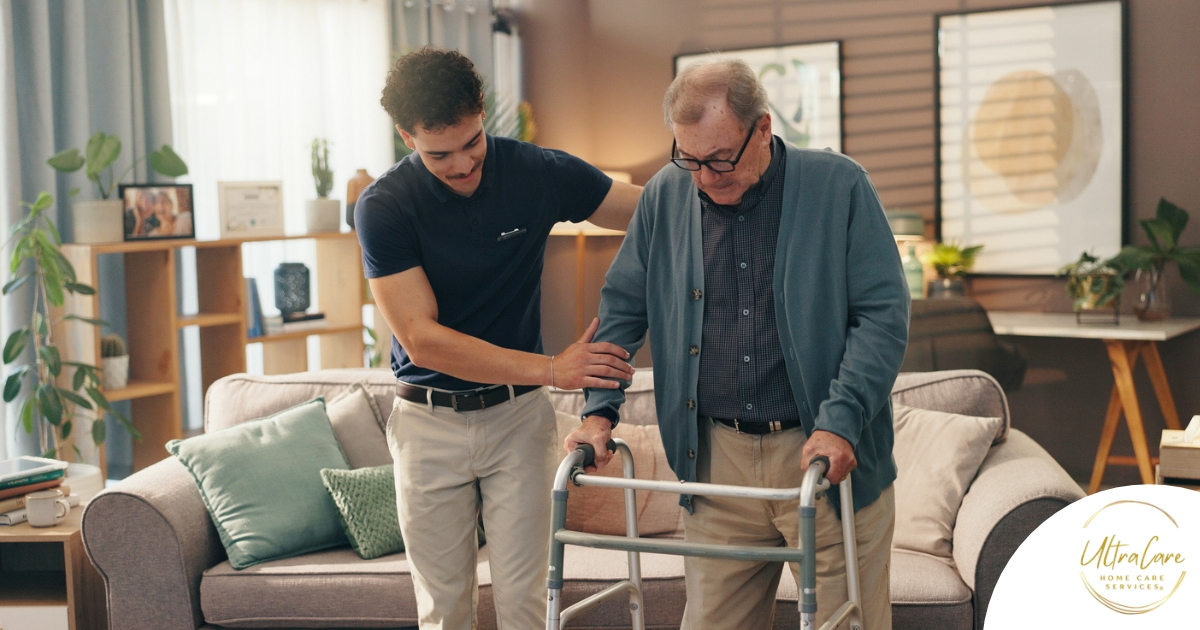
Caring for someone with Parkinson’s often means learning their day almost as well as your own. You start to notice when they move easily and when everything takes a little more effort, and you want to help without taking away the independence they still enjoy. Parkinson’s care at home tends to work best when support is built around those daily rhythms and the person at the center of them.
This guide is here to help families in Hawthorne, CA do just that. We’ll walk through recognizing your loved one’s stronger and harder moments, planning routines around medication, making the home safer, and understanding where home care and home health each fit. Along the way, we’ll look at Parkinson’s disease support for you too, because the family members handling most of the daily care deserve support of their own.
Start Your Plan by Learning Your Loved One’s Daily Rhythm
Parkinson’s affects mobility, balance, and energy, and those can change throughout the day. Many people feel their best once a dose of medication takes effect, then notice symptoms returning as it wears off before the next one. These patterns often become more noticeable as the condition progresses, and every person’s rhythm looks a little different.
Over a typical week, watch for when your loved one moves most easily and when everyday tasks start to take more effort. For example, a notebook on the kitchen counter lets everyone involved jot down what they see. Sharing those notes with doctors and other care providers can help shape your loved one’s care around their real day.
Notice Which Tasks Are Getting Harder
As you watch, certain parts of daily life may start to stand out. Cooking might take more energy than it used to, which can affect nutrition, and grocery shopping may keep getting pushed back. Light housekeeping can slip, a dose might be missed on a busy afternoon, and showers may feel safer with someone nearby.
Parkinson’s is a progressive condition, so care needs tend to change over time. A plan can grow with your loved one’s needs, and home care can step in for the tasks that begin to slip.
Plan Daily Routines Around Medication Timing
For people with Parkinson’s, medication timing plays a big role in how they move and feel. Your loved one’s doctor sets their medication schedule, and helping them stay on it through busy afternoons and appointments is one of the most practical ways a family can support them day to day.
A few methods can help maintain steady timing. Phone alarms set a few minutes before each dose or a pill organizer set up with a pharmacist’s help can keep doses on track. A caregiver who offers medication reminders can also help doses stay on schedule during the busiest parts of the day. Medication management, including any dose changes, stays with your loved one’s doctor.
Showers, outings, and appointments tend to go more smoothly when planned for your loved one’s stronger hours.
Create a Safer, More Comfortable Home
Setting up a safer layout is one of the first projects families take on when planning Parkinson’s care at home. Fall risks tend to grow as Parkinson’s progresses. Changes made early mean the house is ready before that increased risk becomes a daily concern.
These updates are a good place to start:
- Keep pathways between the bed, bathroom, and kitchen clear, and remove loose rugs.
- Add grab bars near the toilet and in the shower, plus a sturdy shower chair.
- Light hallways and bathrooms at night with plug-in night-lights.
- Keep doorways open and uncluttered, since some people with Parkinson’s pause or freeze mid-step when passing through a narrow space.
Building in extra time for dressing or heading out can help too, since rushing may make freezing more likely.
What’s the Difference Between Home Care and Home Health for Parkinson’s?
Home health care is short-term medical care ordered by a doctor, while non-medical in-home care offers assistance with everyday routines for as long as it’s useful. Home health visits may include a registered nurse checking how medications are working, home health aides helping with personal care during a recovery period, or therapists working on mobility and everyday tasks. Your loved one’s physician can help determine whether home health services are needed.
Many families use both and benefit from how they fit together. A physical therapist may teach a safer way to stand up from a chair, for example, and a home care aide can encourage your loved one to keep using it between visits.
Decide Where In-Home Care Fits Into Your Plan
When it comes to home care, Parkinson’s support doesn’t have to mean around-the-clock help. Often the most effective approach focuses on the specific hours or tasks where a little help adds the most value. For families in Hawthorne, CA and nearby communities like Los Angeles County, Covina, Beverly Hills, Downey, Inglewood, Ladera Heights, Los Angeles, Long Beach, Lynwood and View Park, three types of in-home care are especially helpful.
Personal care offers help with bathing, dressing, and grooming.
Medication reminders support a consistent schedule, which helps with more predictable movement and energy throughout the day.
Companionship brings connection and encouragement into each day, and it’s a valuable part of Parkinson’s disease support at home. A regular companion can join your loved one for outings, hobbies, and conversation, while helping with meal preparation and light housekeeping along the way. That friendly, steady presence can do wonders for a person’s well-being.
Care can be arranged for a few hours a week, longer daily shifts, or around the clock care, depending on your loved one’s needs.
Finding Support: Making Room for the Family Care Partner
Spouses and adult children often take on much of the daily care, and many see themselves as care partners. That commitment is meaningful, and a strong plan makes room for their well-being too.
Home care gives a Parkinson’s caregiver time to rest, keep their own appointments, see friends, or simply enjoy an afternoon out. Even a few predictable hours each week can help family members recharge. Knowing someone dependable is at home makes it easier to step away with peace of mind and return feeling refreshed.
Taking the Next Step With Parkinson’s Care at Home in Hawthorne, CA
Planning care for your loved one doesn’t require having every answer today. It starts with paying attention to how your loved one’s days unfold and building support that helps them feel their best from morning to evening.
At UltraCare Services LLC, our team works with families throughout Hawthorne, CA to understand those daily rhythms and talk through what kind of help may fit. Our services include Personal Care, Companionship Care, Respite Care, 24-Hour Care, Veteran Care, Alzheimer’s & Dementia Care, Meal Preparation and Light Housekeeping, and you can learn more on our services page.
If you’re ready to start planning, our team is here to help you explore your options and choose a next step that feels right for your family.